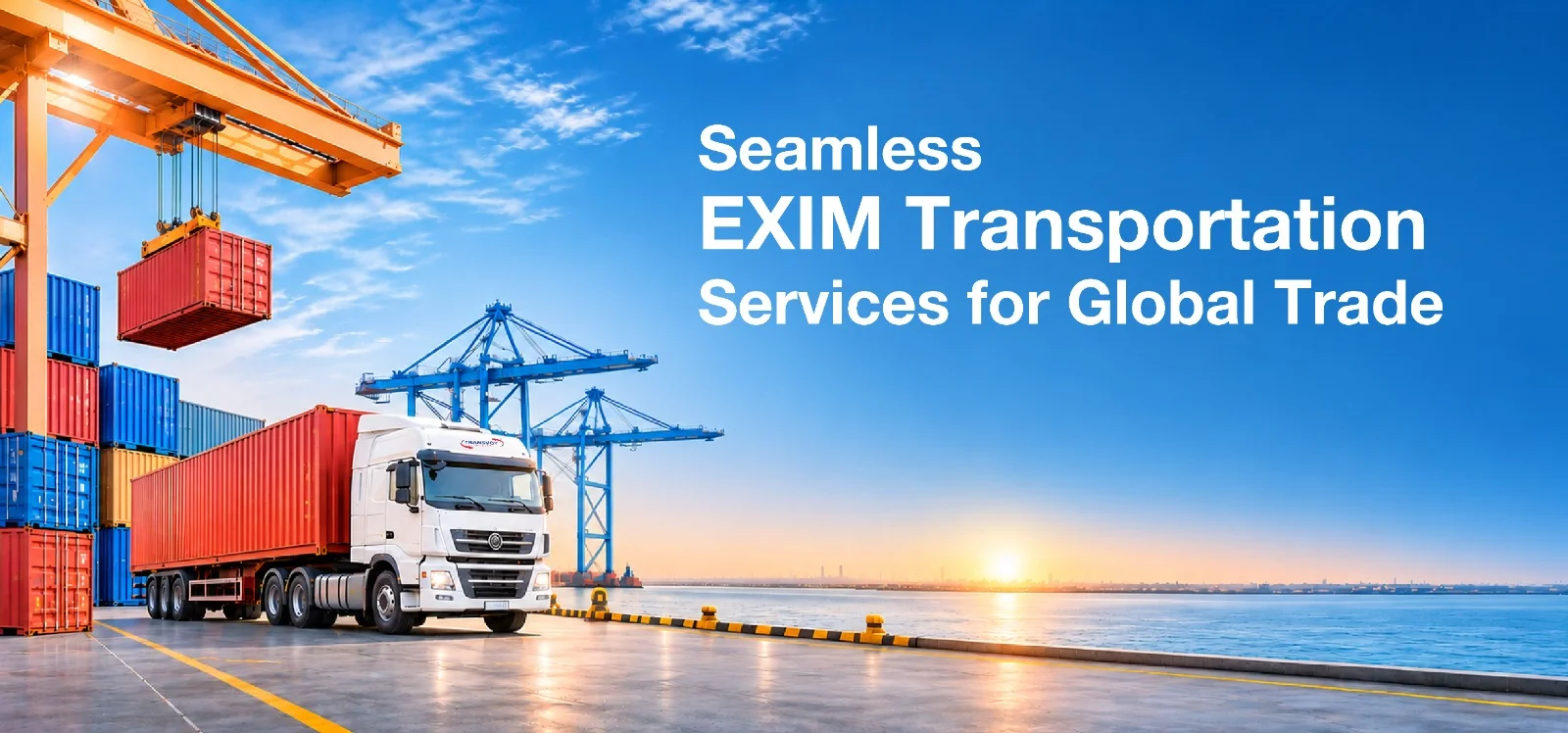
Seamless EXIM Transportation Services for Global Trade
Introduction to Seamless EXIM Transportation Services for Global Trade
In today’s interconnected world, businesses are no longer limited by borders. A small manufacturer in one country can easily sell products to customers thousands of miles away. But behind every international order lies a complex logistics system that ensures products move smoothly from one country to another.
This is where Seamless EXIM Transportation Services for Global Trade play a crucial role.
EXIM stands for Export and Import, and it refers to the movement of goods between countries. While it might sound simple, international shipping involves several moving parts, documentation, customs regulations, cargo handling, transportation modes, and coordination across different countries.
Without reliable logistics support, shipments can get delayed at ports, stuck in customs, or become expensive due to inefficient planning. That’s why businesses rely on professional EXIM transportation services to keep their global supply chains running smoothly.
These services connect manufacturers, suppliers, freight companies, customs authorities, and distributors into one coordinated system. When everything works together seamlessly, companies can deliver goods faster, reduce shipping costs, and keep customers satisfied.
In this guide, we’ll explore how Seamless EXIM Transportation Services for Global Trade support international commerce, simplify logistics operations, and help businesses grow beyond their domestic markets.
Understanding EXIM Transportation in Global Trade
What Does EXIM Transportation Mean?
At its core, EXIM transportation is all about moving goods across international borders efficiently and legally. It involves several steps that ensure products travel safely from the exporter to the importer.
A typical EXIM shipment usually includes:
- Preparing export documentation
- Packaging goods according to international standards
- Booking freight transportation
- Managing customs clearance
- Tracking shipments during transit
- Delivering cargo to the final destination
Each of these steps requires careful planning and coordination. Even a small error in documentation can cause delays or penalties.
That’s why many companies choose logistics providers who specialize in international shipping.
Why EXIM Transportation Matters?
International trade is growing rapidly, and efficient transportation is essential to keep goods flowing across global markets.
Reliable EXIM logistics helps businesses:
- Reach new customers worldwide
- Deliver products faster
- Reduce operational risks
- Maintain supply chain stability
- Stay compliant with trade regulations
In simple terms, the smoother the transportation process, the easier it becomes for companies to compete in global markets.
Key Components of Seamless EXIM Transportation Services
For international shipping to run smoothly, several logistics services must work together like pieces of a puzzle.
Freight Forwarding
Freight forwarders act as logistics coordinators for international shipments. They handle transportation planning, select the best routes, and manage communication between shipping companies, ports, and customs authorities.
Think of them as the project managers of global logistics.
Customs Clearance
Every country has its own trade laws and customs requirements. If documentation is incorrect or incomplete, shipments can get delayed.
Customs specialists ensure that:
- All documents are properly prepared
- Duties and taxes are calculated correctly
- Goods comply with import and export regulations
This helps avoid costly delays.
Warehousing and Distribution
In many cases, goods need temporary storage before reaching their final destination.
Warehousing services help businesses:
- Store goods safely
- Manage inventory
- Consolidate shipments
- Prepare products for final delivery
This improves supply chain efficiency and flexibility.
Shipment Tracking
Today’s logistics systems provide real-time cargo tracking, allowing businesses to monitor shipments at every stage.
This visibility helps companies respond quickly if delays or disruptions occur.
Types of EXIM Transportation Modes
Different types of transportation are used depending on the type of cargo, urgency, and cost considerations.
Sea Freight
Sea freight is the most widely used method for international shipping.
It’s especially suitable for:
- Large volumes of goods
- Heavy industrial equipment
- Bulk commodities
Although sea transport takes longer, it is usually the most cost-effective option for large shipments.
Air Freight
When speed is critical, businesses often choose air freight.
Air shipping is ideal for:
- Medical supplies
- Electronics
- High-value items
- Perishable goods
While it costs more than sea freight, it dramatically reduces delivery time.
Road Transportation
Road transport connects warehouses, ports, and distribution centres. It is commonly used for cross-border shipments between neighbouring countries and for last-mile delivery.
Rail Transportation
Rail logistics is gaining popularity for international trade routes across large continents. It offers a balance between speed and cost while reducing environmental impact.
Benefits of Seamless EXIM Transportation Services for Global Trade
Businesses that invest in efficient logistics systems often gain a significant competitive advantage.
Faster Deliveries
Efficient transportation planning ensures goods reach their destination without unnecessary delays.
Lower Logistics Costs
Smart route planning and consolidated shipments help reduce fuel costs, storage fees, and handling expenses.
Better Compliance
Experienced logistics providers ensure businesses meet all regulatory requirements and avoid penalties.
Improved Supply Chain Visibility
Real-time tracking provides businesses with valuable insights into shipment progress.
Stronger Customer Satisfaction
Customers expect timely delivery. Reliable shipping builds trust and long-term relationships.
The Role of Technology in Modern EXIM Logistics
Technology has completely transformed the way global logistics operates.
Digital Freight Platforms
Businesses can now compare shipping rates, book cargo, and manage documentation online.
Artificial Intelligence
AI helps logistics companies predict potential delays, optimize routes, and manage supply chain risks.
IoT Cargo Monitoring
Sensors attached to shipments can track temperature, humidity, and location in real time, especially useful for pharmaceuticals and perishable goods.
Blockchain in Trade
Blockchain technology improves transparency and security by creating tamper-proof records of transactions.
Challenges in International EXIM Transportation
Despite technological advancements, global logistics still faces several challenges.
Complex Regulations
Every country has different customs procedures, which can complicate international shipments.
Port Congestion
Busy ports often experience delays due to high cargo volumes.
Fuel Price Fluctuations
Transportation costs are heavily influenced by fuel prices.
Supply Chain Disruptions
Events like natural disasters, pandemics, or geopolitical conflicts can interrupt trade routes.
Businesses must stay flexible and work with experienced logistics partners to navigate these challenges.
How to Choose the Right EXIM Transportation Partner
Choosing the right logistics partner can make a huge difference in your global trade operations.
When selecting a provider, look for:
- Strong international shipping experience
- A reliable global logistics network
- Expertise in customs regulations
- Advanced tracking technology
- Transparent pricing structures
A trusted logistics partner ensures your international shipments move smoothly without unnecessary complications.
Best Practices for Efficient EXIM Transportation
Businesses can improve their international shipping process by following a few simple practices.
- Plan shipments ahead of time
- Keep documentation accurate and organized
- Choose reliable freight forwarders
- Monitor shipments regularly
- Stay updated on international trade regulations
- Use digital logistics tools for better tracking
These small steps can make a big difference in ensuring smooth global operations.
Future Trends in Global EXIM Transportation
Global logistics continues to evolve as new technologies and sustainability initiatives emerge.
Some important trends include:
- Green Logistics Solutions to reduce carbon emissions
- Smart Automation in ports and warehouses
- Smart supply chains powered by AI
- Growth of cross-border e-commerce
As global trade expands, the demand for Seamless EXIM Transportation Services for Global Trade will continue to grow.
Frequently Asked Questions (FAQs)
What are EXIM transportation services?
EXIM transportation services manage the export and import logistics process, including freight, customs clearance, and delivery.
Why are seamless logistics services important for global trade?
They help businesses reduce delays, manage costs, and ensure shipments comply with international regulations.
Which transportation methods are used in EXIM logistics?
Common methods include sea freight, air freight, road transport, and rail transport.
How does technology improve international logistics?
Technology provides shipment tracking, route optimization, digital documentation, and better supply chain visibility.
What challenges do businesses face in international shipping?
Common challenges include customs regulations, shipping delays, fuel price fluctuations, and supply chain disruptions.
How can companies improve their EXIM logistics operations?
Businesses should partner with experienced logistics providers, use digital tools, and maintain accurate documentation.
Conclusion
International trade opens exciting opportunities for businesses to grow beyond local markets. However, successful global expansion depends heavily on efficient logistics and transportation systems.
By using Seamless EXIM Transportation Services for Global Trade, companies can simplify international shipping, reduce risks, and ensure their products reach customers across the world without delays.
With the right logistics partners, modern technologies, and smart planning, businesses can build stronger global supply chains and stay competitive in today’s fast-moving international marketplace.